

Walk-In Showers in Lexington, KY
Walk-In Showers Planned Around Comfort, Access, and Daily Use
ASB Remodeling handles walk-in showers for Lexington homeowners who want a clear scope, practical material guidance, and careful construction. We coordinate layout, waterproofing, ventilation, tile, fixtures, storage, and access so the room works better every day.
Request a Lexington Walk-In Showers Estimate
1. Why Lexington Homeowners Choose Walk-In Showers
Most homeowners looking for walk-in showers are not just chasing a trend. They are trying to solve practical problems in a bathroom that no longer works well. A tub wall may feel too high to step over comfortably. An old fiberglass unit may look dated and collect grime in every seam. A small shower may feel dark, boxed in, and too tight for daily use. In other homes, the bathroom layout may technically function, but the space feels far less comfortable than it could be with a more open shower design.
Walk-in showers appeal to homeowners because they support real routines. They are easier for most adults to use every day, especially in homes where bathtubs no longer serve an important purpose. They also allow more flexibility in layout and finish choices than many older tub-and-shower combinations. A well-planned walk-in shower can make a small bathroom feel less crowded and make a primary bath feel more upgraded without necessarily expanding the room itself.
Another reason these projects are so common is long-term planning. Homeowners often want a bathroom that works for them now and continues to work well in the years ahead. That can mean easier entry, a wider opening, safer movement, better storage inside the shower, and a layout that feels less restrictive. If you are still comparing options, you may also want to review our article on walk-in showers vs. bathtubs, which helps explain when a shower-focused layout makes the most sense.
2. What Counts as a Walk-In Shower Project
A walk-in shower project can take several different forms, which is one reason it deserves its own service page. In some homes, a walk-in shower starts with removing a tub and converting that footprint into a shower with a lower threshold and better daily usability. In others, the project involves tearing out an old shower and rebuilding the space with updated waterproofing, new wall finishes, improved plumbing, and a cleaner enclosure. Some homeowners also combine the shower work with nearby flooring, vanity, lighting, or trim upgrades so the room feels cohesive when the project is complete.
Not every walk-in shower is curbless, and not every walk-in shower is fully frameless. The term usually refers to a shower designed for easier entry, more openness, and better layout performance than a traditional closed-in unit. That may include fixed glass panels, a wider entry, a lower curb, a barrier-reduced threshold, a larger shower footprint, or a more efficient layout that eliminates the feeling of stepping into a tight enclosure. The right design depends on the room, the structure below it, the desired finish level, and the homeowner’s priorities.
This is also where the difference between a walk-in shower page and a tub-to-shower conversion page matters. A conversion page focuses on removing a tub. A walk-in shower page focuses on the end result: the shower design itself, the size and shape of the shower, the materials used, the entry style, the enclosure, and the daily experience of using it. Some projects overlap, but many homeowners specifically search for walk-in showers because that is the feature they want most.
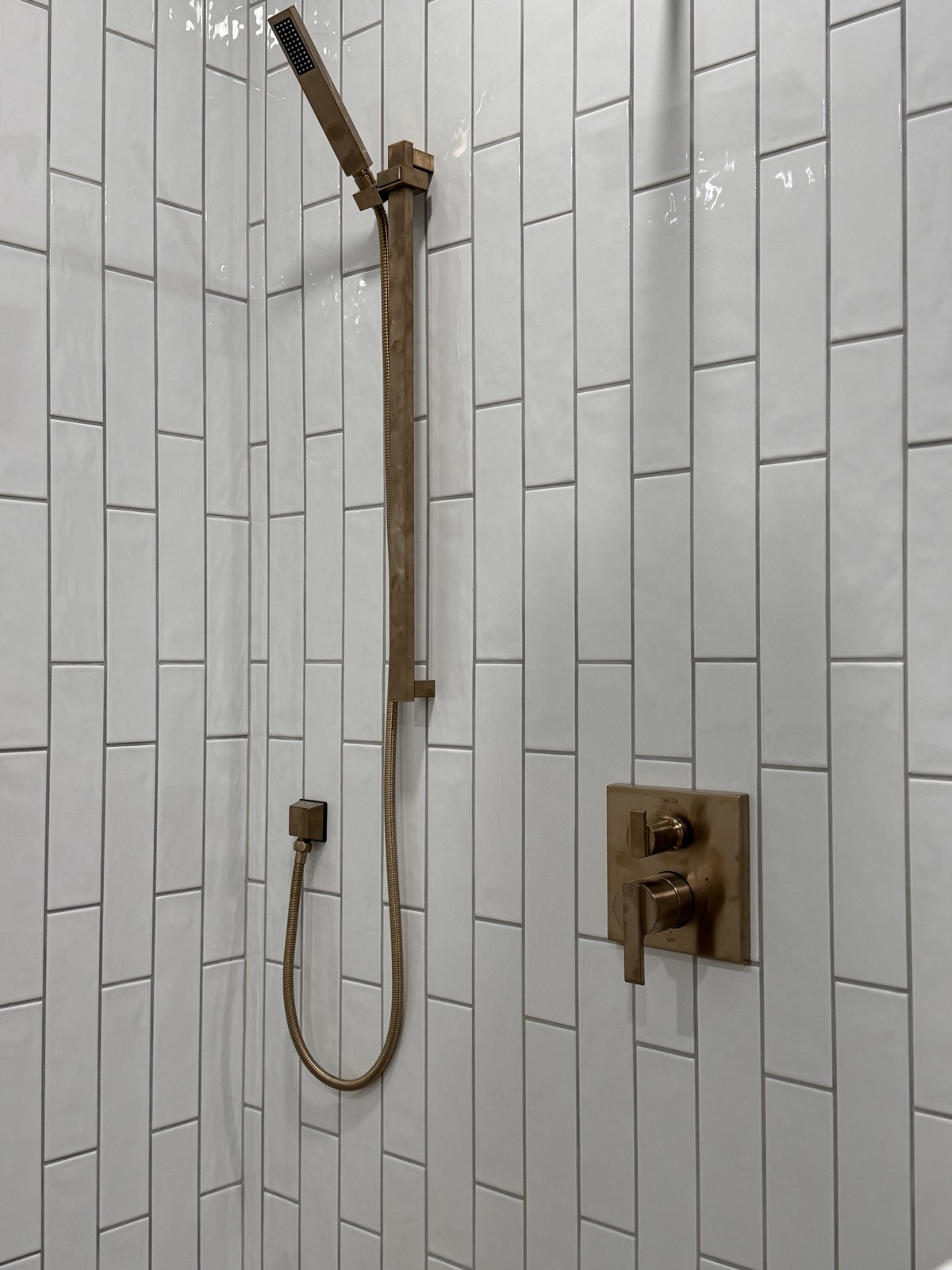
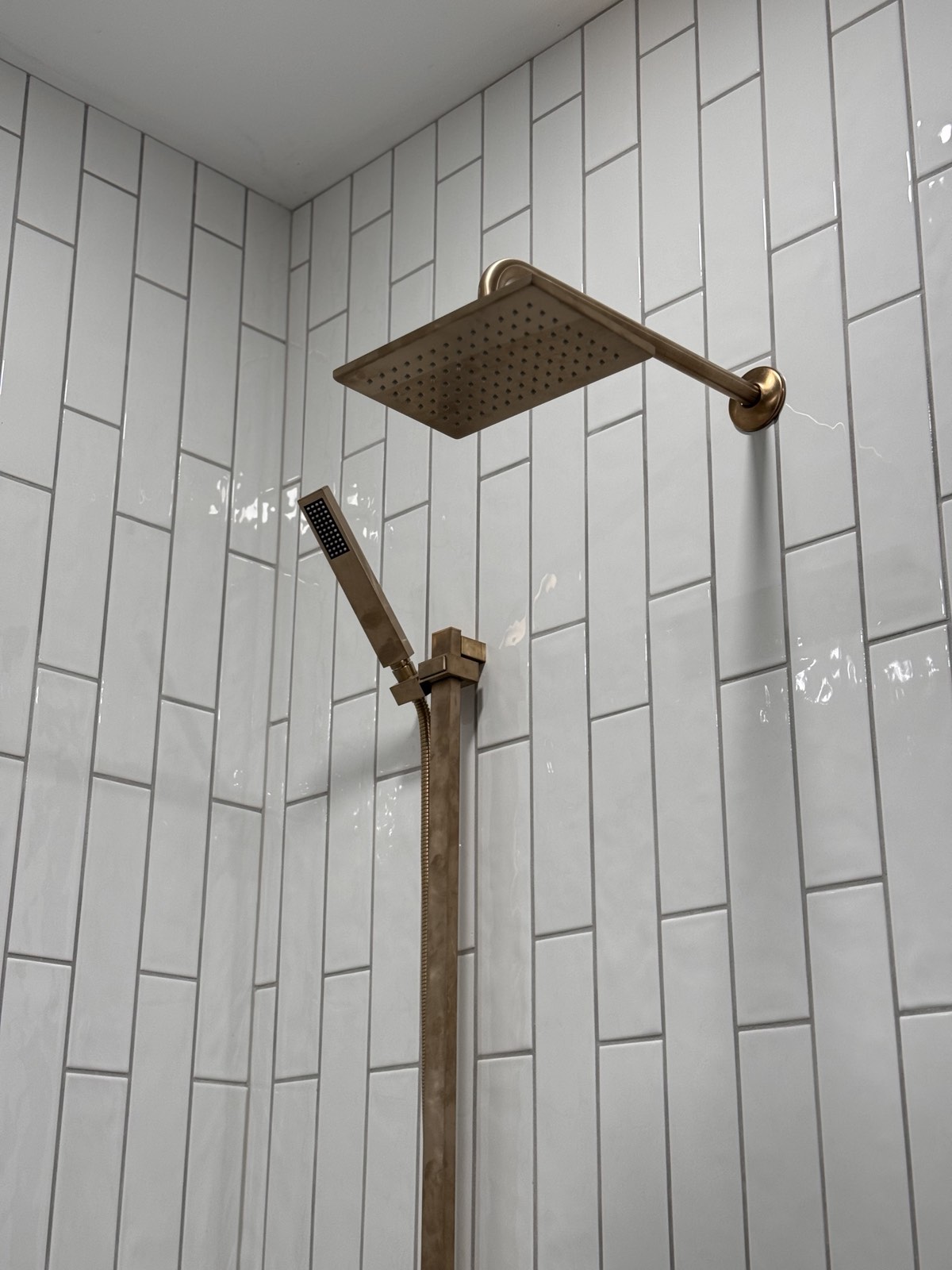
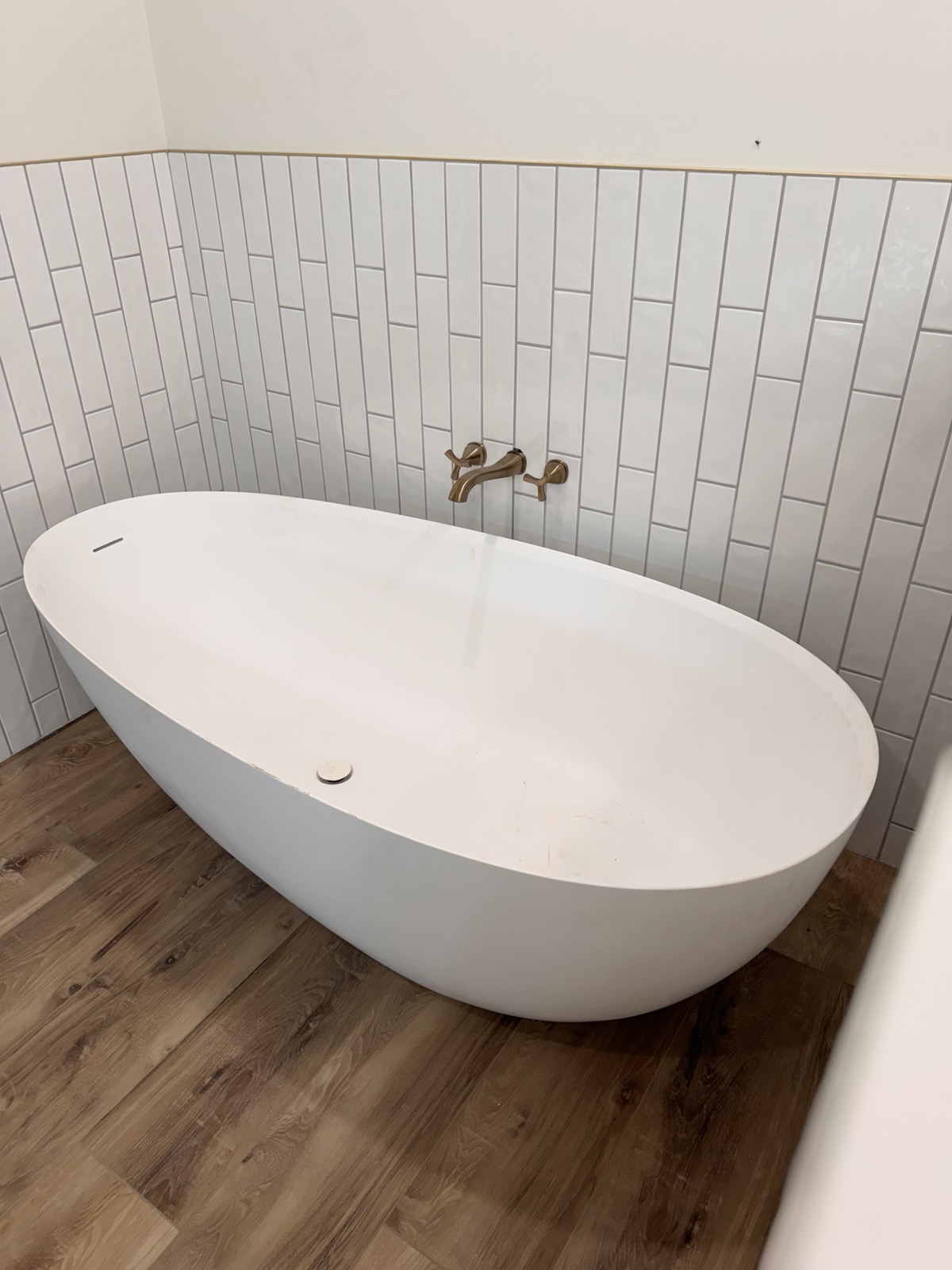
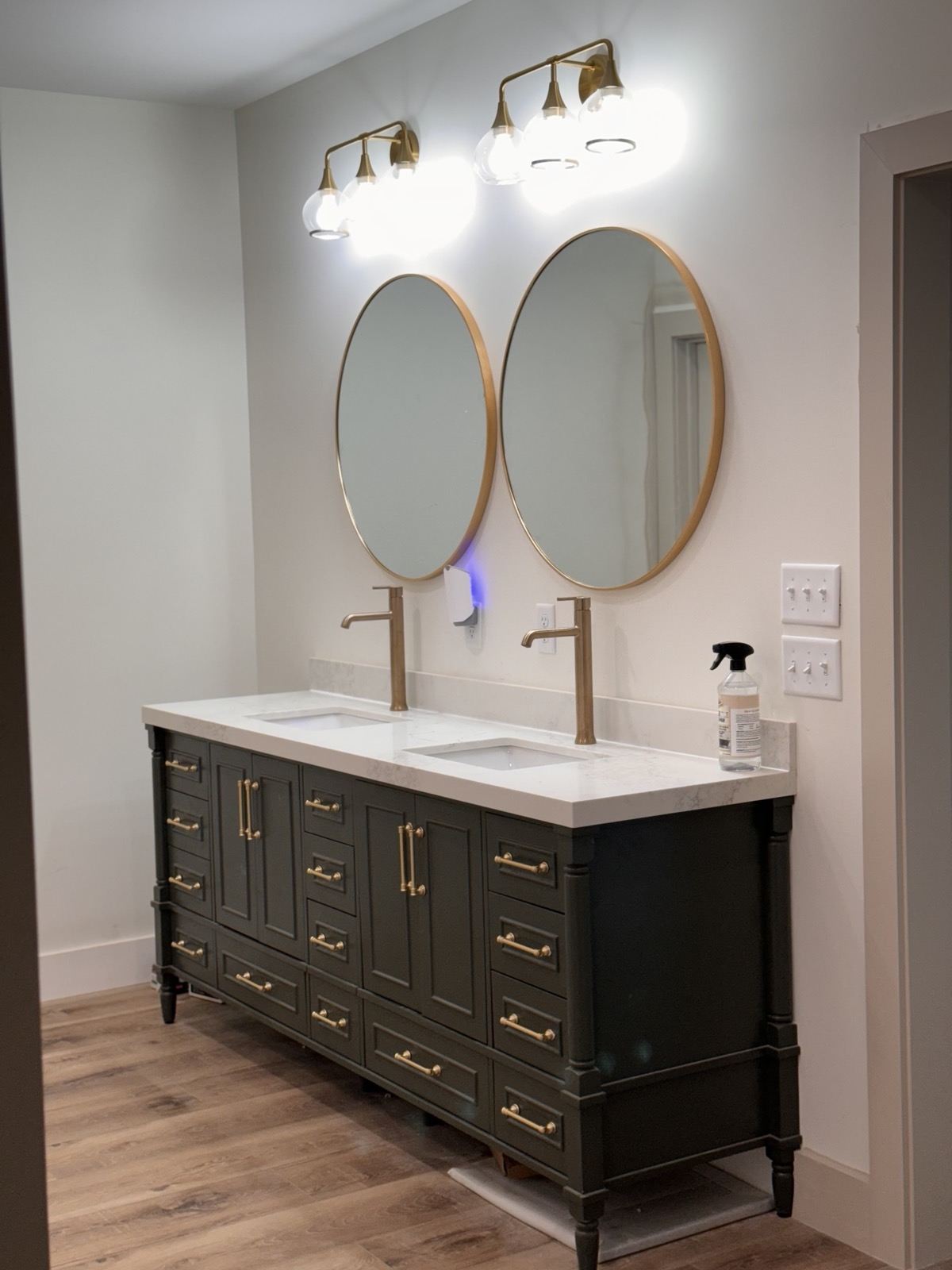
Our Personalized Approach to Bathroom Remodeling
01.
Understanding Your Vision
Every successful remodeling project begins with a deep understanding of your goals. We start with a thorough consultation to learn your preferences, style, and budget. This ensures your bathroom remodel is perfectly tailored to your lifestyle and needs.
02.
Crafting the Design
Guided by your vision, we create detailed design plans that capture your dream bathroom. During this collaborative phase, you have input on every detail—from layout and fixtures to finishes and color schemes. We work closely with you until the design reflects exactly what you want.
03.
Transforming Spaces
Once the design is finalized, our experienced team brings it to life. We prioritize your comfort and privacy, minimizing disruptions and maintaining a clean, organized work environment throughout the project. Your bathroom transformation is handled with care and professionalism from start to finish.
Bathroom Renovations Made Easy
You’re choosing a partner committed to walking with you at every step, transforming your bathroom into a sanctuary of luxury.
3. Popular Walk-In Shower Designs and Layout Options
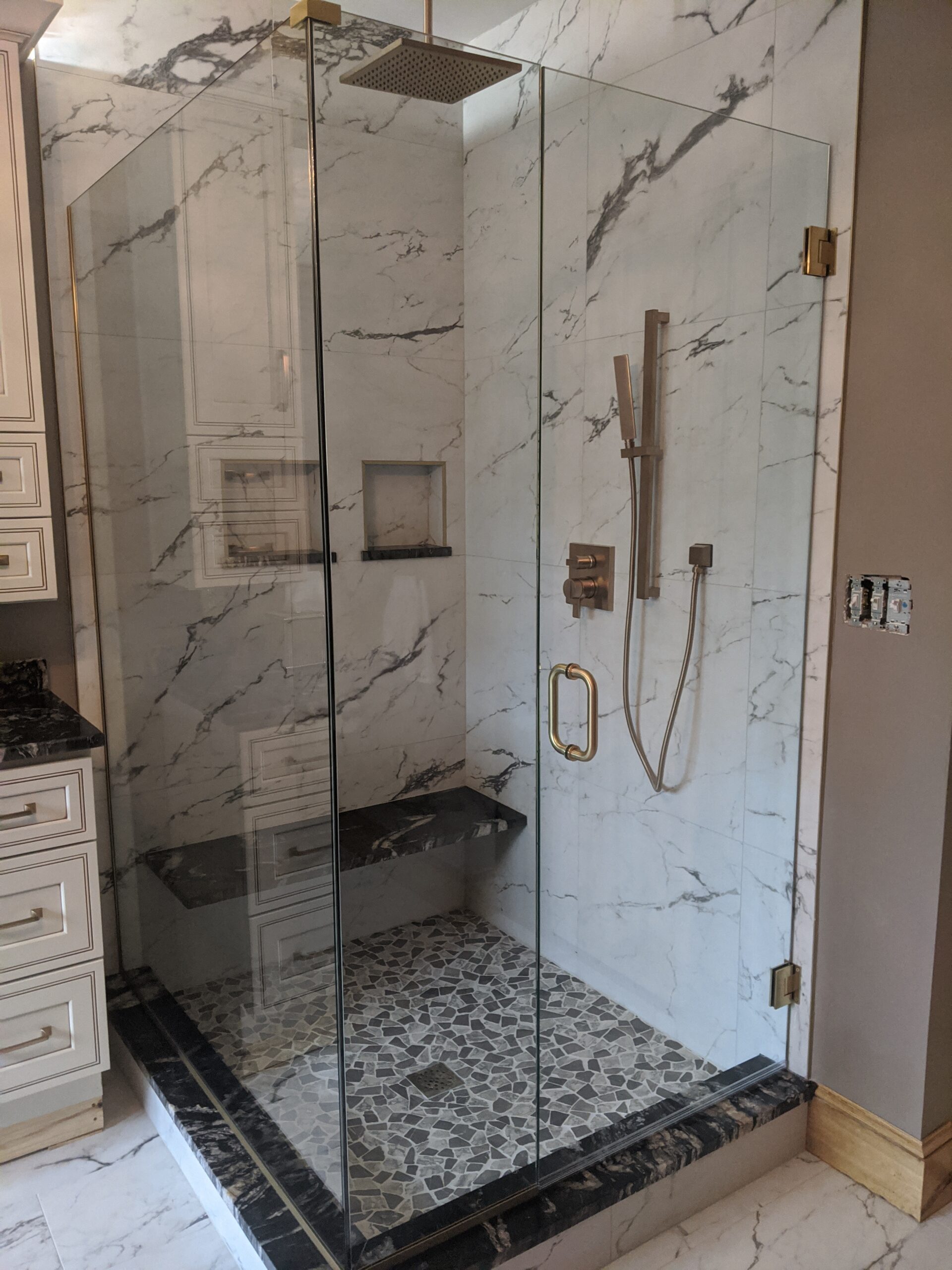
The best walk-in shower design depends on the bathroom layout, the available square footage, and how the shower will be used. In smaller bathrooms, a corner walk-in shower can create better circulation while still providing a comfortable bathing area. In longer or narrower rooms, a shower stretched across the back wall can open up the center of the room and improve visual balance. In larger primary bathrooms, homeowners may prefer a more spacious enclosure with a bench, dual controls, or a wider glass opening that makes the room feel more high-end.
Glass choice has a major impact on both appearance and function. Clear glass helps preserve openness and makes the bathroom feel brighter. Semi-frameless and frameless styles are often chosen when homeowners want a cleaner visual line and a more updated finish. At the same time, not every project needs the most expensive glass package. The best option depends on budget, maintenance preferences, and how important maximum openness is to the final look of the room.
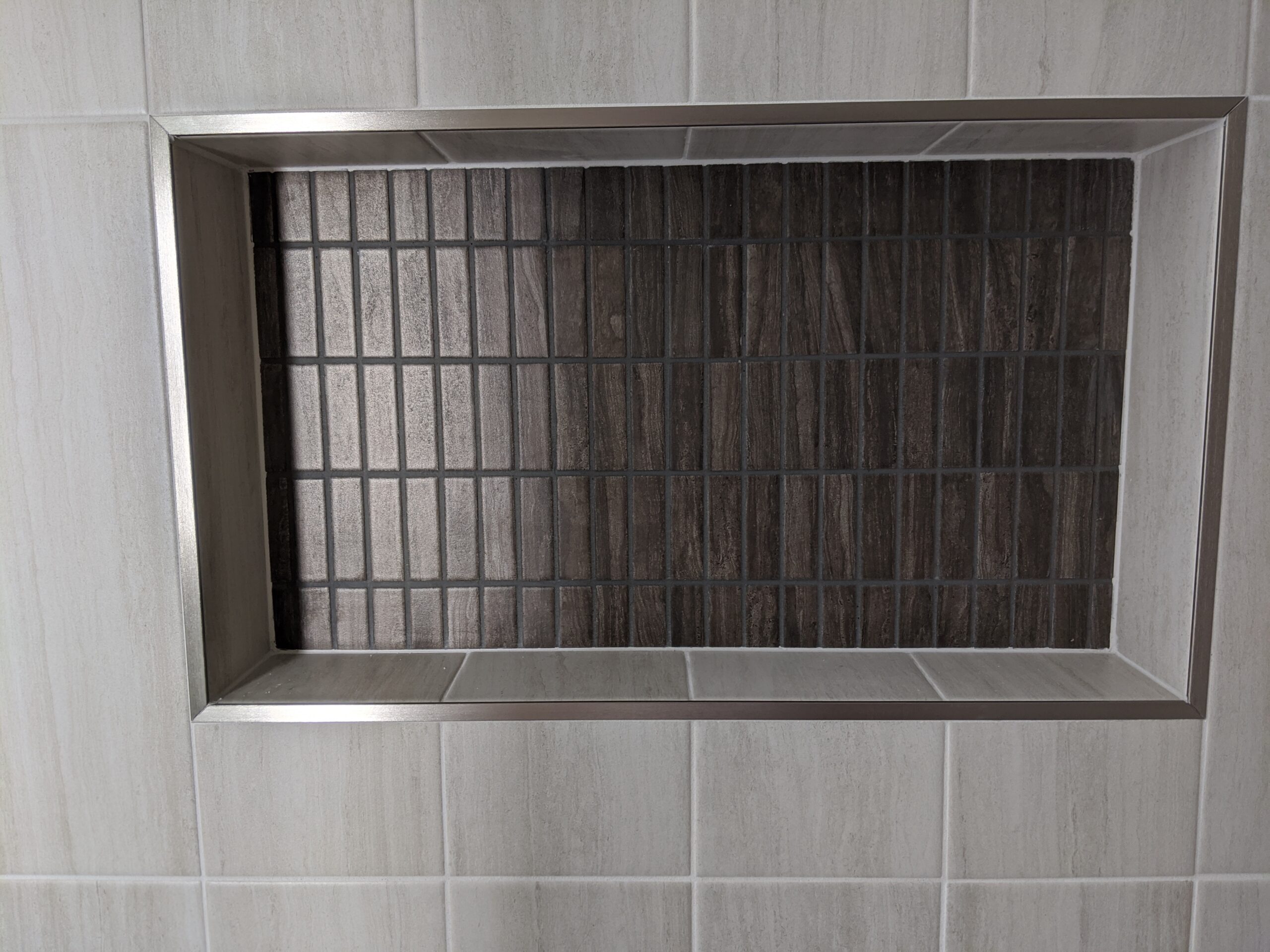
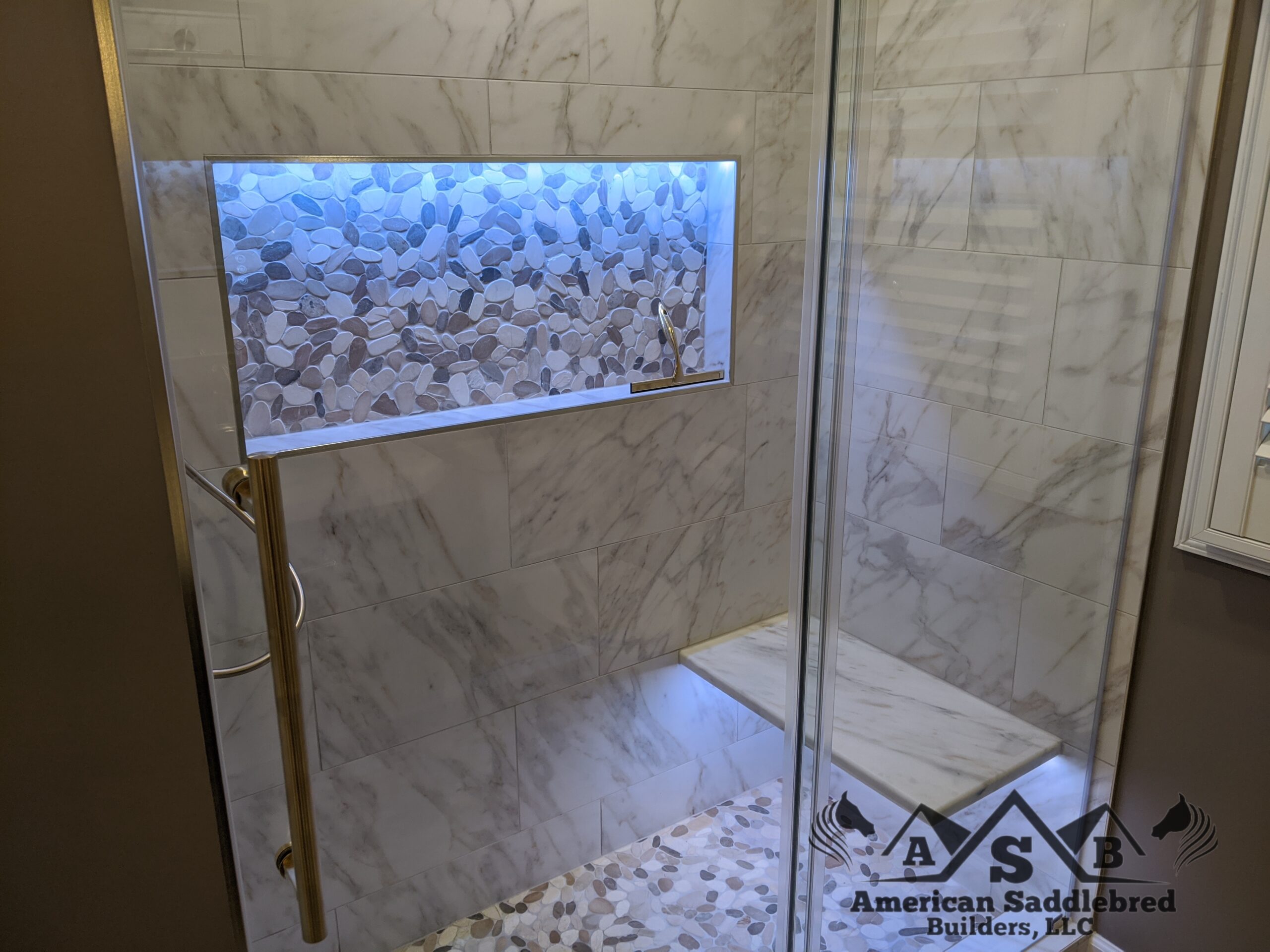
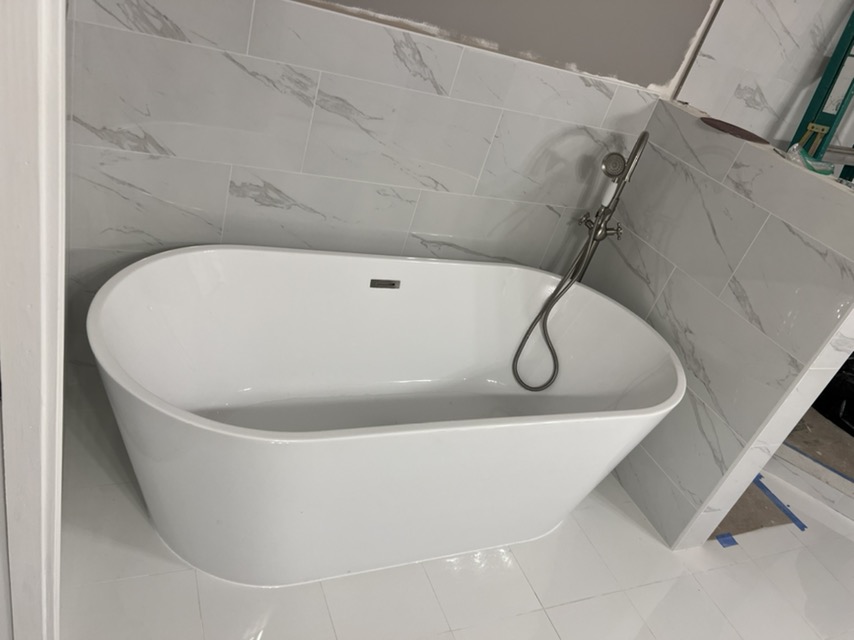
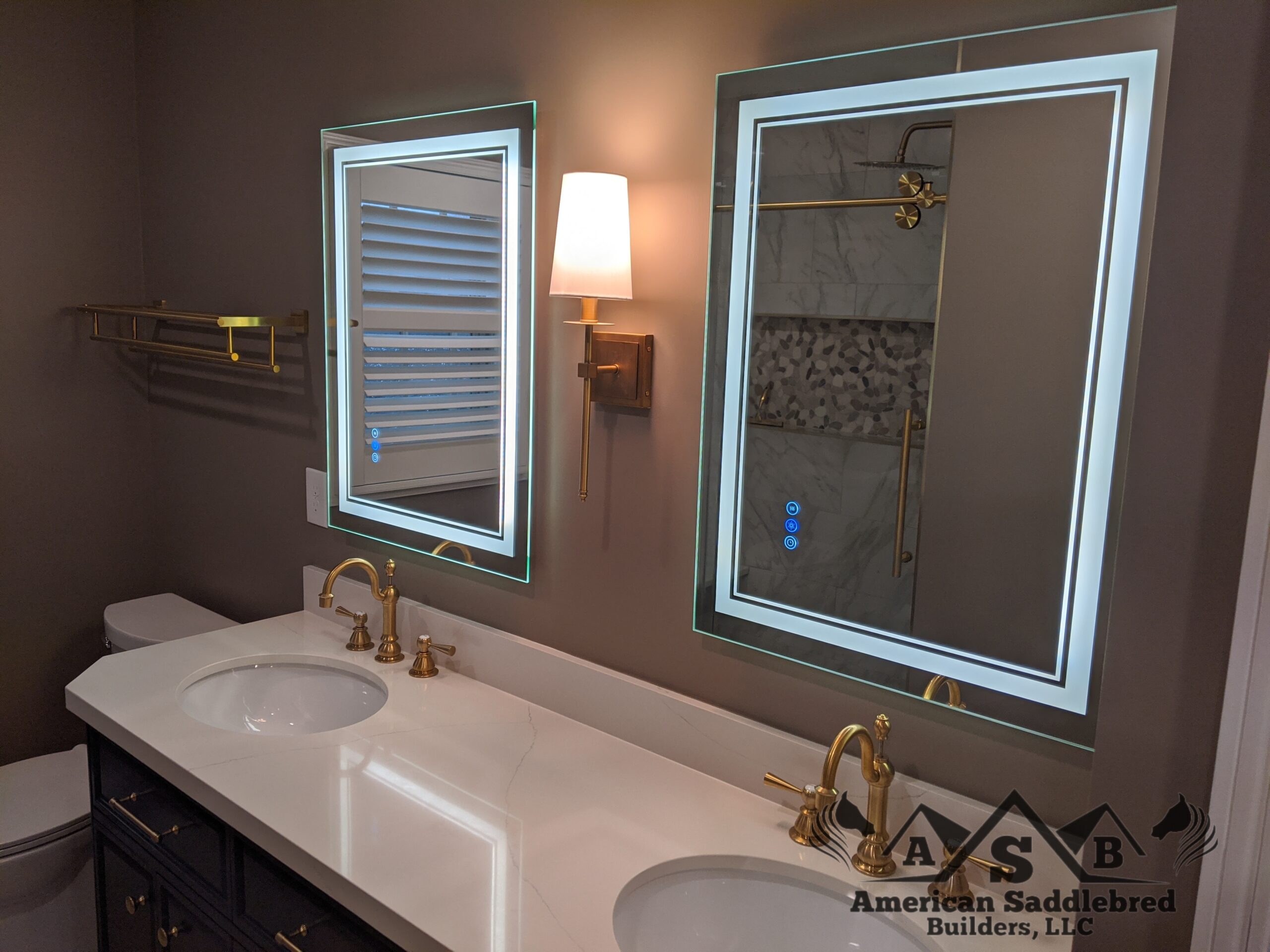
Tile choice also shapes the feel of the shower. Some homeowners prefer large-format wall tile to reduce grout joints and simplify cleaning. Others like subway tile, stacked layouts, or patterned floors that add more personality. Features such as niches, ledges, corner shelving, benches, rain heads, handheld sprayers, and upgraded trim can take the shower from basic to highly customized. If you are exploring style ideas before you decide on the exact scope, our related articles on walk-in shower ideas, shower door ideas, and shower surround ideas can help narrow the direction.
Get a Free Quote
4. Walk-In Showers for Accessibility, Safety, and Aging in Place
Many Lexington homeowners look for walk-in showers because they want a bathroom that feels safer and easier to use. That does not always mean a fully accessible medical-style bathroom. Often it means reducing step-over height, creating a more stable entry, improving visibility, and making it easier to move through the shower comfortably. A good walk-in shower can be planned around both present needs and future flexibility without sacrificing appearance.
For homeowners thinking about aging in place, a shower can be designed with a lower threshold, secure grab bar placement, handheld fixtures, a bench or seat, and dimensions that make movement easier than with a standard tub wall. Even households without immediate mobility concerns may prefer these details because they improve comfort and convenience. Bathrooms get used every day, so small layout improvements can have an outsized effect over time.
Safety also connects directly to maintenance and performance. A poorly built shower with inadequate waterproofing, awkward floor slope, hard-to-reach corners, or low-quality materials can become more frustrating with every year of use. A better-built shower is not only safer to enter and exit, but easier to clean and more reliable over the long term. That is one reason these projects should be approached as construction and performance upgrades, not just surface-level cosmetic changes.
5. Materials, Waterproofing, and What Makes a Shower Last
A walk-in shower only performs well when the underlying build is handled correctly. Homeowners often focus on tile color, glass style, or hardware finish first, but the long-term success of the shower depends on the waterproofing method, substrate preparation, drain strategy, slope, and installation quality underneath the visible finishes. A shower that looks great on day one can still fail early if the structure behind it is not prepared the right way.
This is why material selection should be tied to the full system, not just the appearance. Tile, grout, wall panels, shower pans, drains, trim kits, glass hardware, and sealants all have to work together. Some homeowners want fully custom tile work with integrated niches and a designer look. Others prefer lower-maintenance wall systems or simpler tile layouts that reduce upkeep. Either approach can work well when the installation is handled with long-term performance in mind.
For projects that involve more extensive wet-area updates, these choices may connect naturally with our tile installation and tile bathroom remodeling services. The key is not choosing the most expensive finish for the sake of it. The key is choosing a shower build that fits the home, the budget, and the level of daily use while still protecting the structure behind the bathroom surfaces.
6. What Affects Walk-In Shower Cost in Lexington
Walk-in shower pricing can vary widely because these projects range from relatively straightforward updates to highly customized shower rebuilds. A focused project within an existing footprint usually costs less than a layout change that requires major plumbing moves, structural changes, larger glass systems, premium fixtures, or extensive custom tile work. Existing conditions also matter. Moisture damage, framing issues, outdated plumbing, or floor corrections below the old shower area can all affect final pricing.
Material and design decisions are major cost drivers. Large-format tile, frameless glass, premium valves, custom niches, benches, heated floors outside the shower, and specialty trims all raise the finish level and the labor involved. At the same time, homeowners should be cautious about comparing only the lowest advertised number. Teaser pricing often ignores demolition, prep, waterproofing, glass, or adjacent finish work that is necessary to make the final result look complete.
A better way to think about cost is in terms of scope and performance. Are you building a durable, well-waterproofed shower that fits the room and daily routine, or are you chasing the cheapest starting number? If you want to compare bathroom upgrade value more broadly, our article on bathroom upgrades that add value is a helpful next step. And if the project expands beyond the shower area, it may make sense to review whether a broader bathroom remodel creates better long-term value than a limited shower-only scope.
More Lexington Bathroom Upgrade Options
For focused bathroom upgrades, ASB also helps homeowners plan these related services:
Walk-In Shower Planning Links
A walk-in shower decision usually touches the full bathroom scope, waterproofing, tile, accessibility, and whether a tub-to-shower conversion is the cleanest path.
Lexington Walk-In Showers for Nearby Towns and Neighborhoods
ASB localizes walk-in showers estimates around Fayette County site conditions near Chevy Chase, Hamburg, Beaumont, and Andover, including plumbing, waterproofing, ventilation, accessibility, storage, and the daily routines inside the room.
- 10+ Years In The Remodeling Business
- Hundreds of Happy Customers
- Rated 5.0 By Many Clients On Google
- Local, Family Run Business
- Friendly & Free Quotes & Estimates
Get a Free Quote!
7. Our Process for Walk-In Shower Remodeling in Lexington
Our process begins with understanding what is not working in the current bathroom and what you want the new shower to do better. Some homeowners want to replace a tub with a more usable shower. Some want a larger and cleaner shower in the same general footprint. Others want a more custom, design-forward result with better finishes, storage, and a stronger visual style. Those are different goals, and the right plan starts with identifying the real priority.
From there, we review the layout, the condition of the existing shower or tub area, the level of finish you want, and any practical concerns around access, cleaning, or future use. Then we guide the project through the key decisions: layout, material selection, waterproofing approach, plumbing updates, enclosure style, and surrounding bathroom details if they are part of the scope. Homeowners who want a broader sense of what it is like to work with our team can also review our process, which explains the experience from consultation through final walkthrough.
The goal is not to sell one standard shower package to every homeowner. The goal is to build the right walk-in shower for the space, the household, and the budget. Some projects are highly custom. Some are designed to solve a practical daily-use problem quickly and efficiently. In either case, the value comes from clear planning, quality workmanship, and a finished shower that feels noticeably better than the space you started with. If you are ready to plan a walk-in shower in Lexington, the next step is to reach out through our contact page, review our reviews, or browse our gallery for inspiration before your estimate.
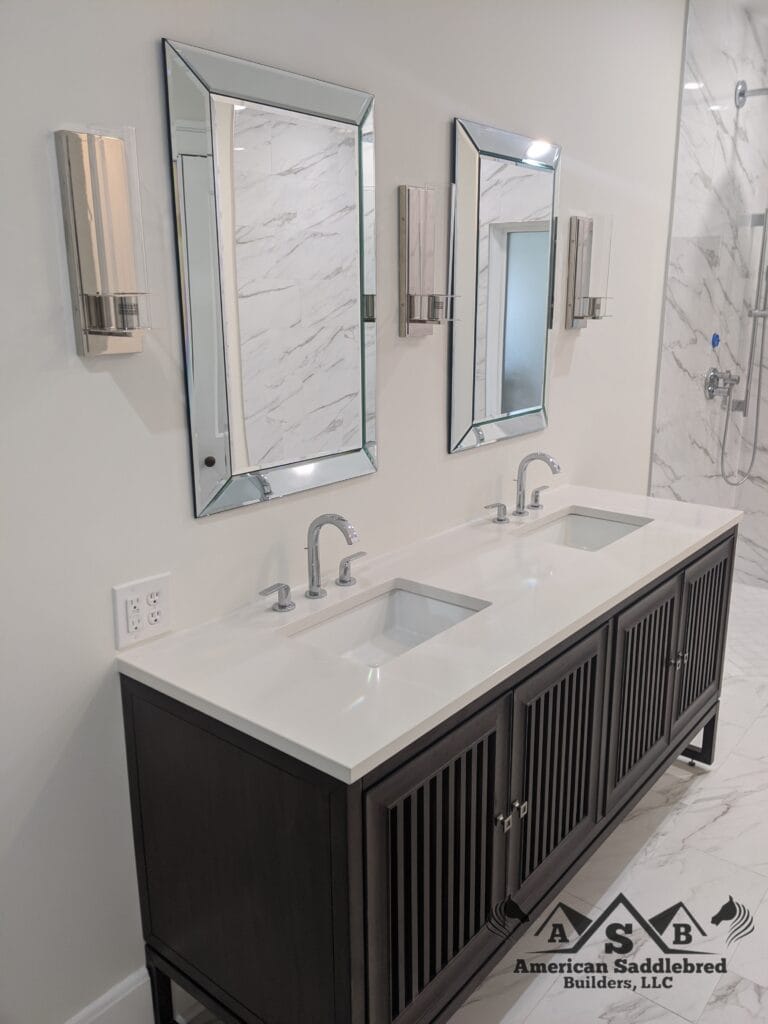
Bathroom Countertop Ideas: Best Materials & Tips
Bathroom Countertop Ideas: Fresh, Functional Options for Today’s Homeowners How to Choose a Countertop That
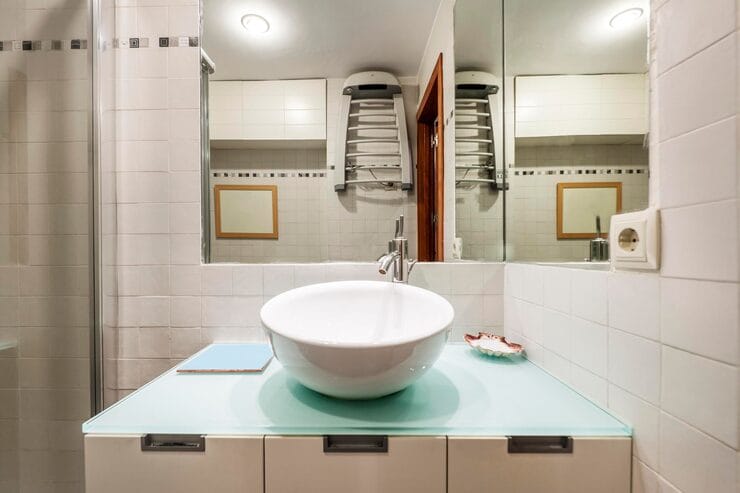
Small Contemporary Bathroom Sinks
Contemporary Small Bathroom Sinks That Maximize Space and Style 1. Why Small Contemporary Sinks Are

Calming Bathroom Colors
How to Choose the Most Calming Colors for Your Bathroom Remodel What to Know Before