Call or Text: (859) 304-0629

Pros and Cons of Kitchen Cabinets to the Ceiling

Why This Decision Matters in a Remodel

  • Cabinet height affects storage, cost, style, cleanup, and future resale appeal.


  • Ceiling height varies across Lexington-area homes, so feasibility depends on the room, trim details, and cabinet plan.


What “Cabinets to the Ceiling” Actually Means

  • Standard upper cabinets, stacked cabinets, and fully custom cabinet runs each create a different look, cost, and storage result.


  • An 8-foot ceiling usually needs a different cabinet plan than a 9-foot or historic-home ceiling.


  • Ceiling-height cabinets can look premium, but they are not automatically more useful for every household.
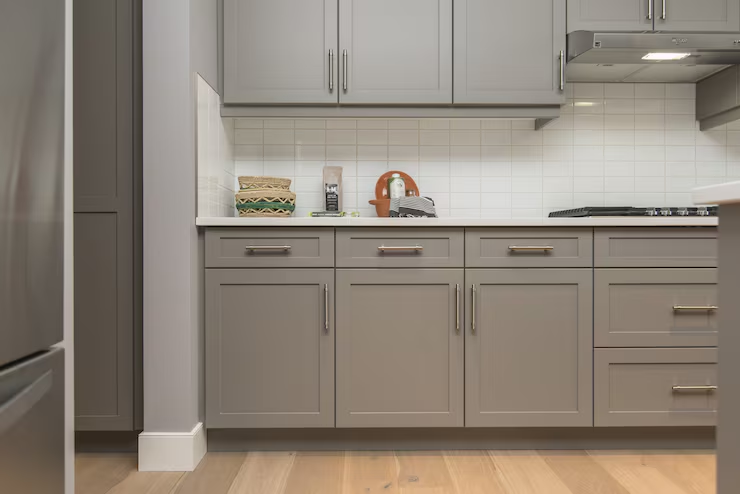

Pros of Taking Cabinets to the Ceiling

A. Maximizes Vertical Storage

  • Useful for seasonal/rarely used items.


  • Reduces clutter on top of cabinets.


B. Creates a High-End, Custom Look

  • Seamless lines make the space feel taller.


  • Works especially well in modern, transitional, and minimalist designs.


C. Reduces Dust Collection Zones

  • Eliminates the gap where grease and dust typically build up.


  • Appeals to homeowners who dislike frequent deep cleaning.


D. Improves Resale Appeal in Many Markets

  • Considered an “upgraded” cabinet layout buyers often look for.


Cons of Taking Cabinets to the Ceiling

A. Higher Cost—Sometimes Significantly

  • Custom builds, taller doors, trim, and molding increase price.


  • Labor costs rise due to more precise installation.


B. Hard-to-Reach Upper Sections

  • Requires a step stool for everyday shorter users.


  • Risk of unused “dead” storage if not planned purposefully.


C. May Feel Overwhelming in Small Kitchens

  • Cabinets stacked to the ceiling can create visual heaviness.


  • Dark colors make this effect more noticeable.


D. Lighting and Venting Limitations

  • Bulkheads, uneven ceilings, or existing soffits may complicate installation.


  • Changes to vent hoods or wiring can add cost.
Kitchen cabinets remodel

When Ceiling-Height Cabinets Are a Good Idea

  • Homes with 8–9 ft ceilings where proportions stay visually balanced.

  • Households that genuinely need added storage.

  • Modern or transitional design goals.

  • Kitchens without bulkheads or with easy-to-modify soffits.

When They Might Not Be Worth It

  • Tight remodeling budgets.

  • Homes with very high ceilings (10 ft+), where cabinets become impractical.

  • Homeowners who prefer open or airy aesthetics.

  • Those who won’t use the high storage.

Alternatives to Consider

  • Stacked cabinets with glass uppers.

  • A decorative open shelf above standard cabinets.

  • Bulkhead or crown molding to close the gap aesthetically.

  • Partial-height cabinets with a feature wall or tile extension.

Cost Breakdown to Expect

  • Typical price difference between standard vs. ceiling-height options.

  • Additional costs: custom doors, fillers, molding, carpentry, painting.

Final Decision Checklist for Homeowners

  • Storage needs.

  • Ceiling height.

  • Budget.

  • Style goals.

  • Resale considerations.

  • Functionality vs. aesthetics.

Conclusion: Balancing Beauty, Function, and Budget

  • Summarize the trade-offs.

  • Encourage evaluating lifestyle and long-term use—not just trends.