

Bathtub vs Walk In Shower: What’s Best for Your Bathroom?
A bathroom remodel often begins with a single question that shapes the entire project: should you keep the bathtub or install a walk in shower. This decision affects daily habits, accessibility, comfort, resale value, and the overall experience of using the space. The right choice depends on more than style. It depends on how your household functions, the size of your bathroom, your future plans, and your willingness to invest in long-term usability.
This guide explores how a bathtub vs walk in shower compares across real considerations such as maintenance, safety, space, cost, and lifestyle needs. With detailed examples and clear explanations, you’ll gain a practical understanding of which option fits your bathroom remodel best.
How Daily Habits Shape Your Bathtub vs Walk In Shower Decision
The most important factor in choosing a bathtub or walk in shower involves understanding how you use your bathroom every day. Real routines reveal which fixture supports your lifestyle and which one creates obstacles.
Why Bathtubs Work Best for Households With Kids, Pets, or Soaking Routines
Bathtubs serve routines that require seated support, controlled water depth, and parent-assisted bathing. Their value becomes clearer when used by families or pet owners.
Reasons homeowners keep a bathtub include:
- Bathing young children who cannot safely use a shower
- Washing dogs or pets that need containment and support
- Using hot water to decompress after physical labor or strenuous exercise
- Appealing to future buyers who expect at least one tub in a family home
Since tubs support hands-on routines, they remain beneficial for many households.
Why Walk In Showers Support Adult Schedules and Efficient Routines
Walk in showers align naturally with fast-paced schedules. Most adults shower daily, and most showers take less time than filling a tub.
Walk in showers support:
- Quick daily routines with easy entry and exit
- Homeowners who want a clean, modern look with fewer bulky fixtures
- Adults experiencing mobility changes who need safer movement
- People who prefer standing water flow over long soaks
For households that rely on simple, efficient bathing, a walk in shower becomes the primary fixture.
Why Long-Term Planning Impacts Your Bathtub vs Walk In Shower Remodel
Many homeowners remodel once every ten to twenty years. The bathroom should support your life for that entire period.
Key long-term considerations include:
- Whether children will outgrow the need for a tub
- Whether aging relatives may eventually live with you
- Whether mobility limitations could affect safe movement
- Whether you want a barrier-free bathroom down the road
Choosing between the two often depends on anticipating how needs may shift during the life of the remodel.
How Bathroom Layout and Space Affect the Bathtub vs Walk In Shower Choice
Room size and layout influence whether a bathtub or walk in shower fits naturally within the space. Comfort, movement, and visual openness depend heavily on how much room each fixture requires.
Why Bathtubs Require More Space and Restrict Layout Flexibility
A standard alcove tub is around 60 inches long and 30 inches wide. Freestanding tubs need even more clearance around all sides so users can approach them comfortably. These dimensions limit your floor plan.
Bathtubs can restrict:
- Flooring options
- Storage layouts
- Furniture or vanity placement
- Walking paths within the bathroom
If the bathroom is narrow or irregularly shaped, a bathtub may feel intrusive.
Why Walk In Showers Maximize Bathroom Space and Improve Layout Options
Walk in showers allow more flexibility because they can be shaped and sized to fit the available space.
They can:
- Fit into corners
- Extend along the width of the room
- Use frameless glass to maintain openness
- Include built-in niches instead of adding storage furniture
This adaptability makes showers ideal for smaller bathrooms where every inch matters, especially if you are exploring small bathroom remodel ideas that maximize space without sacrificing comfort.
When Choosing a Bathtub Supports Bathroom Remodel Goals
Bathtubs serve purposes that showers cannot replace, especially for relaxation or family needs. They add emotional and functional value when matched to the right household.
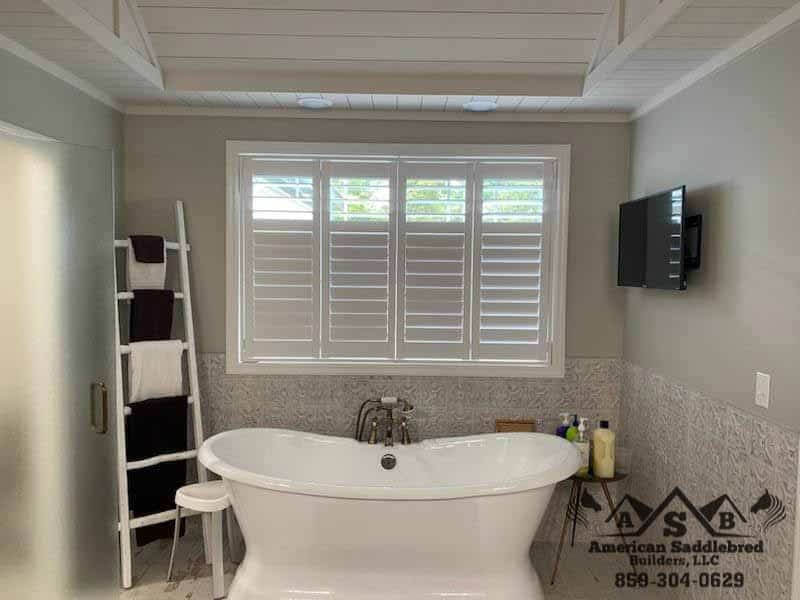
Types of Bathtubs and Their Specific Design Impact
To support the right experience, choose a bathtub type that matches your bathroom’s space and the style you want.
Bathtub types include:
- Alcove bathtubs
Installed between three walls with a short apron front. These tubs are space efficient and most common in hall bathrooms or smaller homes. - Drop-in bathtubs
Installed inside a built deck or platform. They allow custom tile surrounds and have a clean, built-in appearance. The platform can extend outward to hold candles, bath accessories, or towels. - Freestanding bathtubs
Sculptural tubs that sit directly on the floor with no surrounding walls or deck. They come in shapes such as slipper, oval, rectangular, pedestal, and clawfoot. Freestanding tubs require more open space so the shape can be appreciated from multiple angles. - Soaking or whirlpool bathtubs
Deeper tubs designed for submersion. Soaking baths often reach 23 to 28 inches deep. Whirlpool tubs include jets that circulate water for therapeutic relief. These tubs require stronger plumbing systems and electrical connections.
Each tub type uses space differently. Freestanding tubs deliver the most visual impact, alcove tubs maximize space, and drop-in tubs offer customizable tile aesthetics.
Where Bathtubs Provide the Most Long-Term Value
A bathtub can increase value when:
- The home is marketed to families
- You want a spa-like retreat in the master bathroom
- You have a large bathroom that can accommodate both fixtures
- You regularly use baths for relaxation or pain relief
When routine use matches the design, a tub becomes a smart investment.
Common Drawbacks That Make Bathtubs Less Ideal for Some Homes
Even with modern designs, bathtubs have consistent drawbacks:
- They require more water
- They take longer to fill and drain
- They can be difficult to step over
- They demand more floor space
For people who rarely take baths, these disadvantages outweigh the aesthetic appeal.
Cost Breakdown for Bathtub Installation in a Bathroom Remodel
Prices vary depending on the style and complexity of the installation.
| Bathtub Type | Fixture Cost | Installed Cost | Installation Requirements |
|---|---|---|---|
| Alcove | $400 to $700 | $1,200 to $2,500 | Fits standard footprint with minimal plumbing changes |
| Drop-in | $800 to $1,600 | $2,000 to $4,000 | Requires platform, tile surround, and more intensive labor |
| Freestanding | $1,200 to $3,800 | $3,500 to $6,500 | Needs added clearance and sometimes floor reinforcement |
| Whirlpool or soaking | $2,500 to $6,000 | $4,000 to $8,000+ | Requires plumbing, electrical, and reinforced flooring |
Each tub type varies in fixture cost and labor, and choosing between acrylic and fiberglass materials can also influence durability and budget. Drop-in and whirlpool options often require tile, deck framing, and plumbing upgrades. Freestanding tubs demand more open space and a centered drain placement.
Why Walk In Showers Add Function, Safety, and Modern Appeal
Walk in showers deliver superior usability for most adults and allow more design flexibility, especially in smaller or more modern bathrooms.
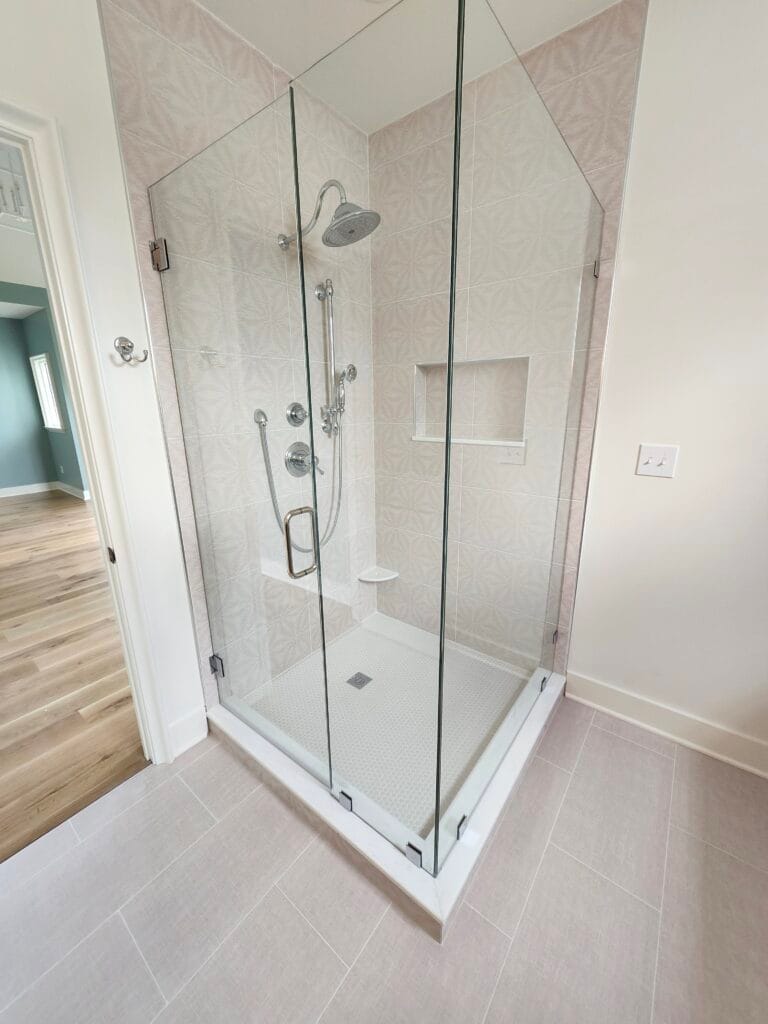
Types of Walk In Showers and Their Specific Design Benefits
Walk in showers can be customized in several ways.
Common configurations include:
- Prefabricated shower units
Molded in one piece with integrated walls and floors. These are durable, affordable, and quick to install. Ideal for hall baths and rental spaces. - Custom tiled walk in showers
Built with mortar, waterproofing membranes, and tile. These showers fit any dimension and support features like niches, benches, multi-head setups, and accent tile designs. - Curbless walk in showers
Built with a continuous bathroom floor and a gradual slope into the shower area. This design supports wheelchair access and eliminates trip hazards. - Frameless glass walk in showers
Constructed with thick tempered glass panels to keep the space open and bright. These work well in modern bathrooms where visibility and natural light matter.
Each format suits different goals depending on budget, layout, and accessibility needs.
Daily Comfort Benefits That Walk In Showers Provide
Walk in showers enhance everyday living by improving flow, visibility, and safety.
They offer:
- Faster use for morning routines
- Easier access for older adults or those recovering from injury
- Better compatibility with heated flooring or niche storage
- Less crowding in tight bathrooms
Walk in showers also accommodate larger showerheads, body sprays, and rain heads for a more enjoyable experience.
Maintenance Requirements for Walk In Shower Materials
Glass panels and grout require regular care. Large format tiles reduce grout lines. Choosing sealed or epoxy grout improves durability. A good ventilation fan prevents moisture buildup. With thoughtful material selection, maintenance becomes manageable.
Bathtub vs Walk In Shower: Key Differences That Matter in a Remodel
Category | Bathtub | Walk In Shower |
Primary Use | Best for soaking, bathing kids and pets | Best for fast daily showering |
Accessibility | Requires stepping over a tall side | Allows easy, low entry |
Water Use | Uses 50 to 70 gallons per fill | Uses 15 to 25 gallons per 10-minute shower |
Cleaning | Large smooth surfaces | Multiple glass panels and grout lines |
Space Efficiency | Needs a five-foot-long wall | Works in corners or custom configurations |
Resale Considerations | Needed for families | Preferred in modern or senior focused homes |
Installed Cost Range | $1,500 to $8,000+ | $3,000 to $12,000+ |
Why Combining a Bathtub and Walk In Shower Works Best in Large Bathrooms
In larger primary bathrooms, installing both a bathtub and a walk in shower provides maximum versatility. Homeowners gain the convenience of a shower for daily routines and the comfort of a bathtub for occasional soaking.
This combination works well when:
- The bathroom has enough open floor space
- You want both luxury and practical function
- You want to increase appeal for future buyers
- You want a layout that can adapt to future mobility needs
The design should allow each fixture its own zone. A freestanding tub near a window becomes a visual centerpiece. A walk in shower with bench seating becomes the functional core. Using consistent finishes and materials in both areas creates a cohesive look.
Get Expert Help to Make the Best Bathtub vs Walk In Shower Decision
There’s a lot at stake when planning your bathroom remodel. Mistakes in layout, fixture selection, or long-term usability can turn an exciting upgrade into daily frustration.
Whether you’re remodeling for better functionality, style, or to prepare for life changes ahead, knowing exactly what will work in your space takes more than guesswork.
That’s where a professional consultation can make all the difference. The right builder doesn’t push one-size-fits-all designs. Instead, they help you break down the pros and cons that matter in your bathroom, not someone else’s.
At American Saddlebred Builders, we listen closely, design smart, and remodel with precision. From modern walk in showers to timeless tubs—or both—we bring your vision to life with a clear plan and expert execution.
Our team proudly serves Lexington and surrounding areas with personalized bathroom remodels that balance style, comfort, and long-term function.
Schedule your consultation with American Saddlebred Builders today and design a bathroom that truly fits your lifestyle.