Call or Text: (859) 304-0629

How to Choose the Most Calming Colors for Your Bathroom Remodel

Introduction

  • Brief explanation of how colors influence mood and perceived cleanliness.

  • Connect “calming colors” to practical outcomes: reduced stress, improved daily routines, and resale value.

1. Understanding What Makes a Bathroom Color Calming

  • How warm vs. cool undertones shift the feel of a space.

  • Importance of lighting (natural and artificial) in how colors appear.

  • Why homeowners should swatch paint on multiple walls.
2. Top Calming Color Families & When to Use Them

Soft Neutrals

  • Warm sand, greige, soft whites for a clean, minimalist look.


  • Ideal for bathrooms lacking natural light.


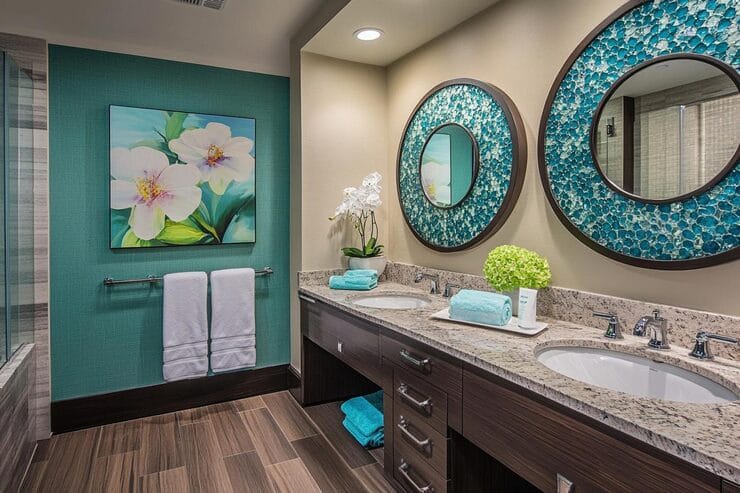
Powder Blues & Muted Aquas

  • Spa-like calm; pairs well with chrome or matte black fixtures.


  • Great for coastal and modern remodels.


Earthy Greens

  • Sage, eucalyptus, muted olive for nature-inspired tranquility.


  • Complements wood vanities and brass hardware.


Warm Pastels

  • Dusty rose, peach, and clay for subtle color without boldness.


Soft Charcoal & Misty Grays

  • Offers a modern, soothing aesthetic.


  • Works best in medium-to-large bathrooms or paired with light tile.


3. How to Match Calming Colors With Bathroom Materials

  • How tile finish (matte vs. glossy) affects mood.

  • Choosing countertops and vanities (wood, marble, quartz).

  • Best metal finishes for a relaxed feel.
Calming Colors for Your Bathroom Remodel

4. Lighting Strategies for a More Relaxing Bathroom

  • Warm LED temperatures (2700K–3000K) enhance calming palettes.

  • Avoiding cool lighting that can make colors feel stark.

  • How layered lighting improves ambiance.

5. Realistic Color Pairings Homeowners Can Recreate

  • Sage green walls + natural oak vanity + matte black fixtures

  • Soft aqua walls + white subway tile + brushed nickel accents

  • Warm greige walls + marble countertop + champagne bronze hardware

  • Why each pairing works and which home styles they suit.

6. Tips for Testing and Finalizing Colors Before Remodeling

  • Testing large paint swatches at three different times of day.

  • Checking colors alongside real remodel materials (tile, flooring).

  • When to choose safe neutrals vs. soft colors for resale.

Conclusion

  • Viewing calming colors as part of a complete remodel plan.

  • Emphasize that calm doesn’t mean sterile—balance and texture matter.