

Open Concept Kitchen Ideas You’ll Wish You Had Done Sooner
Many homeowners start considering an open concept kitchen after years of working around walls that interrupt daily life. Cooking feels isolating when conversations happen in another room. Guests crowd doorways during gatherings because the kitchen lacks space to move or stand comfortably. Even simple routines like unloading groceries feel harder than they should. Over time, these small frustrations push homeowners to look for a layout that feels more connected and easier to live with.
In this guide, we’ll share how to evaluate your existing kitchen layout, choose open concept designs that fit your home, understand common planning mistakes in detail, and make decisions that support daily use instead of creating new problems.
Open Concept Kitchen vs Traditional Kitchen
A traditional kitchen stays separated from other rooms by walls or partial dividers. It often functions as a standalone workspace with its own lighting, flooring, and cabinetry layout. This structure contains mess, sound, and cooking smells. It also provides more upper cabinet storage because more wall space exists. Some families prefer this setup when they want visual separation between cooking and living areas.
An open concept kitchen removes those barriers to connect the kitchen with nearby rooms, usually the dining and living spaces. The wall that once closed off the kitchen is replaced by a wider opening or no separation at all. This changes how people move through the space and how the rooms relate to each other. Light travels farther. Conversations carry more easily. Cooking becomes part of the household’s shared activity instead of a separate task.
Feature | Traditional Kitchen | Open Concept Kitchen |
Layout | Separated room | Integrated with living and dining spaces |
Storage | More upper cabinets | Fewer walls, needs creative storage solutions |
Lighting | Contained lighting zones | Shared natural and artificial light |
Sound Control | Limited to the kitchen area | Travels into connected spaces |
Privacy | Easier to hide mess during cooking | Constant visibility across zones |
Family Interaction | Less connection between rooms | More social and interactive environment |
Assess Your Current Layout With a Practical Eye
Before walls come down, homeowners need a clear understanding of what their kitchen can realistically support. Many kitchens include walls that carry structural loads from the floor above or the roof. Removing these walls requires professional evaluation and a properly engineered beam. This process affects ceiling height, cost, and construction time, so it must be addressed early.
Utility systems also influence layout decisions. Plumbing lines often run vertically through kitchen walls, especially in older homes. Electrical wiring may not meet current code once walls open and lighting plans expand. HVAC ducts may need relocation to maintain proper airflow. These systems affect how open the kitchen can become and how much work happens behind the walls.
Daily movement patterns reveal additional issues. Narrow walkways near refrigerators or sinks often cause congestion during meal prep. Appliance doors may block paths when opened. Observing how your household moves during busy times helps identify where space needs to open up and where adjustments matter most.
Lighting conditions should be reviewed carefully. Closed kitchens often depend on artificial lighting throughout the day. Removing a wall can help, but only if adjacent rooms bring in natural light. Evaluating sunlight at different times helps determine whether openness will truly brighten the space or whether additional lighting will still be required.
Storage planning must happen at this stage. Upper cabinets usually hold a large portion of kitchen items. Removing them without planning replacements often leads to clutter once the remodel finishes.
Area | What to Identify | Why It Matters |
Structural Walls | Load bearing locations | Determines removal limits |
Utilities | Plumbing, electrical, HVAC | Affects cost and complexity |
Traffic Flow | Congested zones | Guides layout adjustments |
Natural Light | Window access | Influences openness benefit |
Storage | Cabinet capacity | Prevents future clutter |
Plan an Open Layout That Matches How You Actually Live
Open concept kitchens succeed when they reflect real habits rather than design trends. A household that cooks daily needs efficient work zones and clear access to appliances. Families with children often value sightlines between the kitchen and living areas. People who host frequently need circulation paths that allow guests to move without crowding prep spaces.
Zoning helps organize open layouts. Without walls, visual cues define function. Islands often mark the boundary between cooking and gathering. Lighting reinforces these divisions by focusing brighter light over work areas and softer light in living spaces. Furniture placement also guides movement and establishes natural transitions.
A focal point provides clarity. In many homes, a kitchen island anchors the layout and draws people together. In others, a range wall with detailed cabinetry or tile creates visual structure. Choosing a focal point early helps align design decisions and prevents the space from feeling scattered.
Key planning questions help refine decisions:
- Where do people gather most often?
- Which tasks require the most uninterrupted space?
- How should movement flow during peak use?
Choose Open Concept Kitchen Layouts That Fit Your Home
Not every home supports the same type of open layout. Understanding options helps homeowners choose wisely.
Island Layout
Island layouts work best in kitchens with enough width to maintain comfortable walkways. Islands provide prep space, seating, and storage while keeping the kitchen connected to nearby rooms. Clearance around the island must support multiple people moving at once.
Peninsula Layout
Peninsulas extend counter space without requiring a full walk around path. This layout suits narrower kitchens or homes with structural limitations. It creates openness while maintaining a sense of boundary.
Half Wall Layout
Half walls increase light and visibility without full demolition. They work well in homes where structure limits wall removal. Half walls may support cabinetry or counter seating.
Full Wall Removal
Full wall removal creates the most open feel. It connects the kitchen fully to dining or living areas. This option requires structural reinforcement and careful planning for ceiling transitions.
Layout Type | Best Use | Key Consideration |
Island | Larger kitchens | Requires wide clearances |
Peninsula | Narrow spaces | Limits circulation |
Half Wall | Structural limits | Partial openness |
Full Removal | Flexible structure | Higher construction cost |
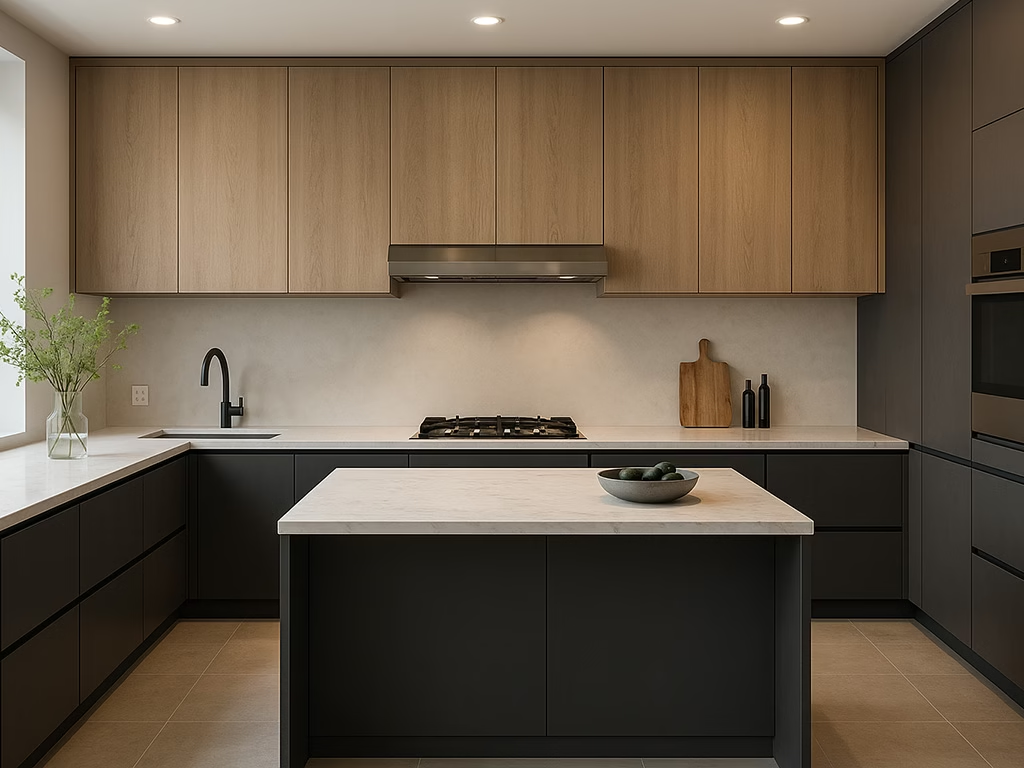
Use Design Details That Support Comfort and Function
Open kitchens expose every detail. Lighting must support cooking, dining, and relaxing. Recessed lights provide general brightness. Task lighting supports food preparation. Ambient lighting softens transitions in nearby rooms.
Flooring continuity helps unify the space. Using one material across connected rooms reduces visual breaks. Durable options such as engineered wood, tile, or luxury vinyl plank support daily wear.
Color coordination keeps the layout cohesive. Neutral bases allow rooms to flow together. Accent colors add interest without overwhelming the space.
Storage solutions replace what walls once held. Tall pantry cabinets, deep drawers, and appliance garages maintain order and reduce countertop clutter.
Storage Solution | Purpose |
Tall Pantry | Replaces upper cabinets |
Deep Drawers | Improves access |
Appliance Garage | Hides small appliances |
Pull Out Trash | Keeps waste contained |
Plan a Budget That Reflects the Full Scope of the Remodel
Open concept remodels extend beyond cabinetry and counters. Structural work often includes beams and ceiling modifications. Electrical upgrades support expanded lighting plans. Flooring replacement may extend through multiple rooms. Older homes often reveal outdated wiring or plumbing once walls open.
A realistic budget includes a contingency of 15 to 20 percent. This allowance covers unexpected repairs and prevents rushed decisions later in the project.
Avoid Common Mistakes That Create Long-Term Frustration
Open layouts require more than demolition and new paint. The wrong decisions can lead to expensive corrections and everyday inconvenience. Knowing what to avoid helps homeowners get long-lasting results.
Oversized Islands That Disrupt Movement
An island that looks impressive on a plan can cause constant headaches when installed. If the space around it is too tight, opening a dishwasher, oven, or fridge blocks walkways. Ideally, walkways should be at least 42 inches wide. This allows more than one person to move comfortably, even when doors are open. Oversized islands also reduce flexibility with furniture and storage.
Inadequate Ventilation in Open Layouts
Odors and grease spread farther in open kitchens. A simple fan that recirculates air does not remove smoke or heat. Without a properly vented range hood, cooking smells reach the living room and settle on furniture. Vent hoods should be sized for the range and ducted outside. This protects indoor air quality and reduces long-term cleaning needs.
Lighting Plans That Ignore Task Needs
A single fixture in the center of the room will not light a kitchen effectively. Work zones such as countertops, islands, and sinks require direct task lighting. Without it, shadows fall where knives and hot surfaces need precision. Good lighting design layers recessed lights, under-cabinet lights, and pendants for full coverage.
Finish Choices That Clash Across Spaces
Open layouts show multiple rooms at once. Choosing materials or colors that do not relate makes the home feel disjointed. Cabinets that clash with nearby furniture or floors that shift tone between spaces can distract the eye. Keeping finishes coordinated across connected areas supports a calm, cohesive design.
Removing Storage Without a Plan to Replace It
Removing upper cabinets to open the space does not eliminate the need for storage. Without replacing that volume elsewhere, clutter builds up quickly. Small appliances lose a home. Bulk pantry items end up in plain sight. Solutions include floor-to-ceiling pantries, drawers under counters, and storage built into the island.
Get Expert Help to Create an Open Concept Kitchen That Actually Works
There is a lot to consider when remodeling your kitchen. A layout that looks appealing during planning can fall short once daily routines begin. Errors in lighting, ventilation, or storage become constant frustrations after construction ends.
Whether your goal involves better flow, more light, or a layout that supports changing needs, thoughtful planning makes the difference. Each home brings unique constraints. Each household uses space differently.
That is where professional guidance becomes valuable. A skilled builder helps evaluate tradeoffs before construction begins and designs solutions based on how you live.
At American Saddlebred Builders, we design and build open concept kitchens with careful planning and craftsmanship. From structural changes to functional storage, we help homeowners create kitchens that feel connected, comfortable, and practical.
Our team proudly serves Lexington and surrounding areas with remodels designed for long-term use.
Schedule your consultation with American Saddlebred Builders today.